Living in Japan: Understanding Surveillance Culture, Gossip, and Neighbor Disputes

If you are living in Japan and feel that you are being watched, ignored, or talked about by neighbors, you are not alone.
For many foreign residents, Japan’s indirect communication style, silence-based social norms, and strong sense of community awareness can easily create anxiety or misunderstanding.
This article calmly explains Japan’s surveillance-like culture, gossip, and rumor dynamics from a realistic and neutral perspective.
From a professional detective agency’s viewpoint, we also introduce practical ways to resolve neighborhood problems without falling into misunderstandings, assumptions, or psychological stress, in both Japanese and English.
It clarifies common misunderstandings foreigners may experience and introduces practical, calm approaches to resolving neighborhood issues.
From a detective agency’s perspective, it also explains how to properly distinguish between police involvement, property management support, and third-party assistance.




目次 [ 閉じる ]
- 1 What Does “Surveillance Culture” Mean in Japan?
- 2 Why Gossip and Rumors Spread Easily in Japanese Communities
- 3 When Cultural Differences Turn Into Stress or Fear
- 4 How to Tell the Difference Between Reality and Misunderstanding
- 5 Practical Ways to Resolve Neighbor Disputes in Japan
- 6 When to Involve the Police, Property Management, or a Third Party
- 7 Living Safely and Calmly in Japan as a Foreign Resident
What Does “Surveillance Culture” Mean in Japan?

In Japan, many people value order, harmony, and prevention of trouble.
This often results in behaviors such as quietly observing surroundings, noticing changes, or being aware of who lives nearby.
For foreign residents, this can sometimes feel like being watched or monitored.
However, in most cases, it is not personal surveillance, but a form of community awareness and social caution.
Why Gossip and Rumors Spread Easily in Japanese Communities
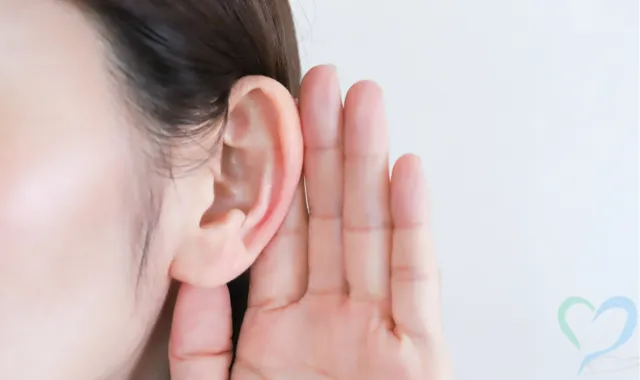
Japanese society tends to avoid direct confrontation.
Instead of pointing out problems face to face, concerns may be shared indirectly.
This can lead to gossip or rumors, especially when cultural or language differences exist.
Foreign residents may be misunderstood because of lifestyle differences, not bad intentions.
When Cultural Differences Turn Into Stress or Fear

Language barriers and unfamiliar social rules can amplify anxiety.
Small incidents may feel larger when explanations are unclear.
At this stage, people may begin to connect unrelated events and feel targeted.
This does not mean the feeling is “wrong,” but it does require careful handling.
How to Tell the Difference Between Reality and Misunderstanding

A practical way to regain clarity is to focus on facts rather than feelings.
Ask yourself
- Is there clear evidence?
- Does the same situation repeat consistently?
- Can a third person understand it objectively?
Practical Ways to Resolve Neighbor Disputes in Japan

Most neighborhood problems in Japan are resolved through calm, procedural steps.
Common options include
- Consulting property management or landlords
- Non-emergency police consultation
- Third-party fact confirmation
Direct confrontation is usually not recommended,
especially when cultural misunderstandings are involved.
When to Involve the Police, Property Management, or a Third Party
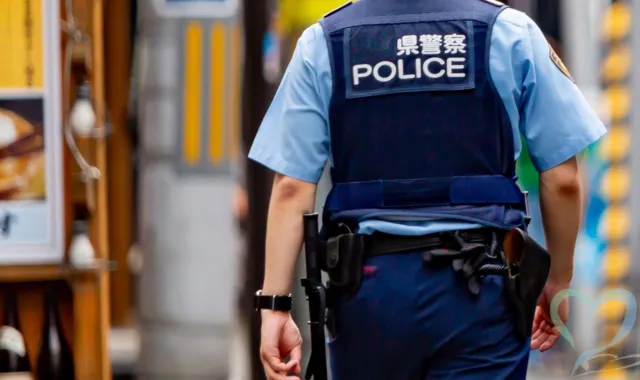
Each organization has a different role.
Police: Safety consultation and legal boundaries
Property management: Rules, mediation, and daily-life coordination
Third parties: Fact-checking and documentation
Understanding this distinction prevents unnecessary escalation.
Living Safely and Calmly in Japan as a Foreign Resident

Japan is not a hostile society, but it can feel difficult without context.
Most problems arise from misunderstanding, not intent.
By seeking neutral support and organizing facts, situations can improve.

監修者・執筆者 / 山内
1977年生まれ。趣味は筋トレで現在でも現場に出るほど負けん気が強いタイプ。得意なジャンルは、嫌がらせやストーカーの撃退や対人トラブル。監修者・執筆者一覧へ